


Introduction
Over the past year, laptop buyers and PC builders in Pakistan have noticed a significant increase in the prices of RAM and SSD storage. Components that were once affordable are now much more expensive, making laptop upgrades and custom PC builds harder for many users.
This is not only a local issue. The price increase is part of a global semiconductor and memory market shift that is affecting the entire technology industry. From laptop manufacturers to cloud companies and AI developers, everyone is competing for the same limited supply of memory chips.
In this article, we will explain why RAM and SSD prices are increasing in Pakistan, what global factors are causing this trend, and what buyers should expect in the coming months.
The Global Semiconductor Industry and Memory Chips
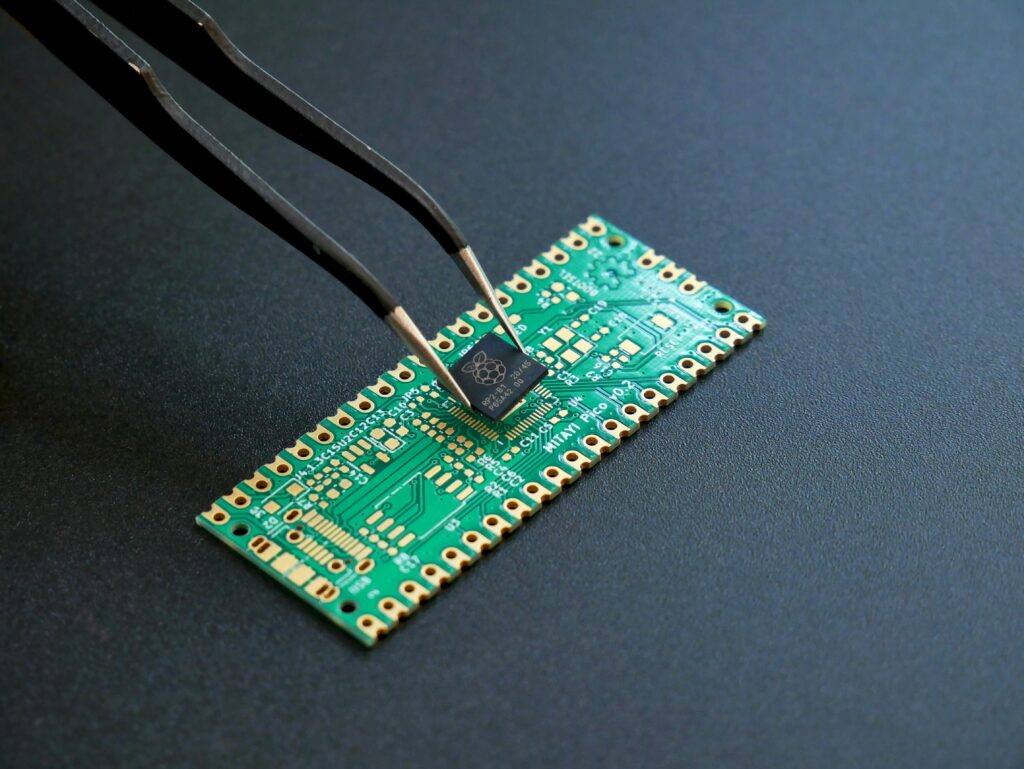
RAM and SSDs rely on specialized memory chips known as DRAM (Dynamic Random Access Memory) and NAND flash memory. These chips are produced in extremely advanced semiconductor fabrication plants.
Only a few companies manufacture most of the world’s memory chips, including:
- Samsung
- Micron
- SK Hynix
- Kioxia
- Western Digital
Because there are very limited factories capable of producing these chips, any disruption in supply or increase in demand can quickly push prices upward.
The Growing Demand for AI and Data Centers
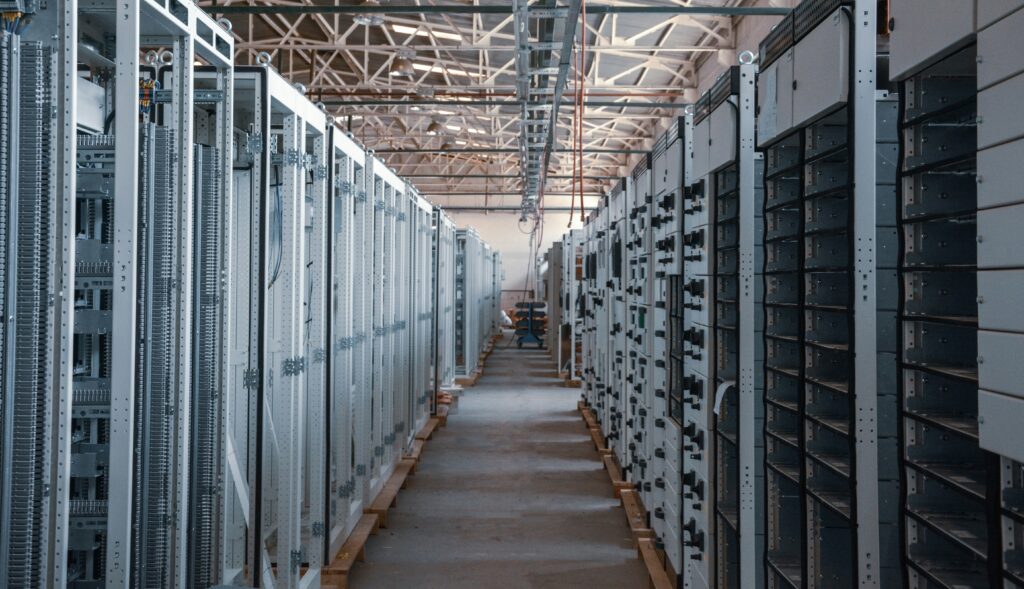
One of the biggest reasons for rising RAM and SSD prices is the rapid growth of artificial intelligence (AI) and cloud computing.
AI systems require enormous amounts of memory and storage to train models and process data. Large technology companies are purchasing massive quantities of RAM and high-performance SSDs for their data centers.
Because of this demand:
- Manufacturers prioritize enterprise-grade memory
- Less supply is available for consumer devices like laptops and PCs
- Prices increase due to limited availability
Industry analysts report that demand from AI data centers is consuming large portions of global memory production, reducing supply for consumer hardware.
Recent reports even suggest that DRAM prices may rise dramatically in 2026 due to AI demand, while NAND flash prices are also expected to increase significantly.
Why RAM and SSD Prices Are Higher in Pakistan
While global factors drive most of the price increases, several local factors make the situation worse in Pakistan.
1. Dollar Exchange Rate
Technology components are imported and priced in US dollars. When the Pakistani rupee weakens against the dollar, hardware prices automatically increase in the local market.
2. Import Duties and Taxes
Computer hardware imports are also affected by:
- Customs duties
- Import taxes
- Shipping charges
These costs add to the final retail price for consumers.
3. Limited Supply in Local Markets
Distributors and retailers sometimes receive limited shipments due to global shortages. When supply is low, prices increase quickly.
What Buyers Should Do Right Now
If you are planning to buy a laptop or upgrade your system, here are some practical tips:
- Upgrade RAM or SSD only if necessnary
- Compare prices from multiple sellers
- Consider slightly lower capacities if budgets are tight
- Watch market trends before making large purchases
For many users, waiting for market stabilization may also be a smart decision.
Final Thoughts
The increase in RAM and SSD prices in Pakistan is part of a global shift in the semiconductor industry. Rising AI demand, limited manufacturing capacity, and supply chain challenges have created a situation where memory components are becoming more expensive worldwide.
While local factors such as currency exchange rates and import duties also contribute to higher prices in Pakistan, the core issue remains the global demand for semiconductor technology.
As the tech industry continues to grow, memory components will remain critical to everything from laptops and smartphones to AI systems and cloud computing.Understanding these market trends can help buyers make smarter decisions when purchasing or upgrading their devices.